

The Sneaky Claws of Parentification
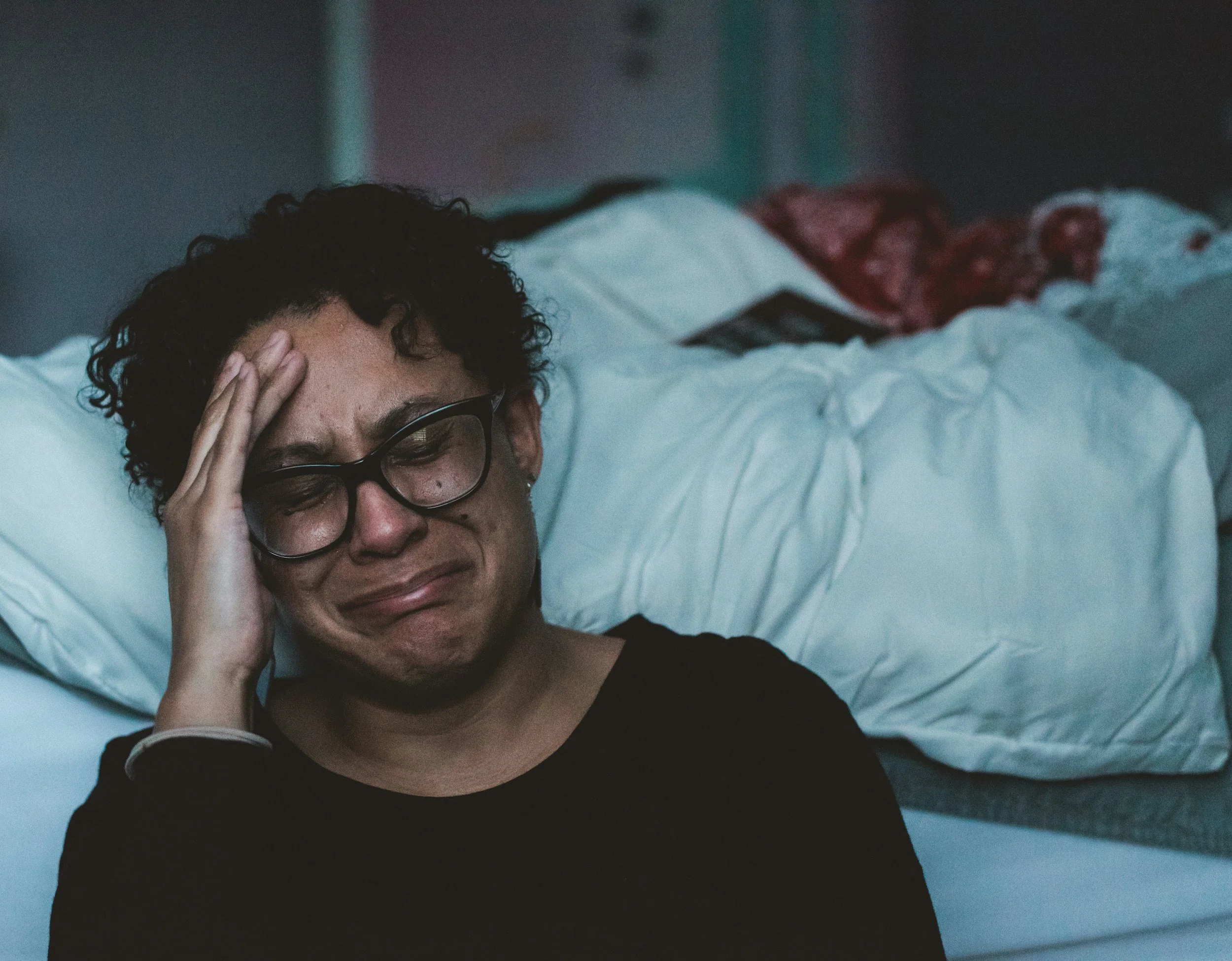
As a therapist that works with college students during my full-time hours, this topic comes up ALOT within sessions.
Parentification is a great topic to know about, whether because you’ve experienced it yourself or because you’re in a relationship with someone who has. It shows up in so many ways in adulthood and we forget how damaging it can truly be.
I just read a post that explained what parentification is, how it happens, and the long-term consequences within the lifespan of humans. It also differentiated between a psychological mechanism established due to a trauma and a developmental milestone that was never fully completed as well as what it looks like to build upon that incomplete infrastructure, especially in adult relationships.
So let’s be clear - experiencing a one time trauma and experiencing chronic trauma, are not the same, especially when the chronic trauma involves your development and caretaker relationships. The overall emotional response might be the same (doubtful) but the origins are completely different and thus, the way you process and recover from it is completely different.
This is why I made developmental trauma my hyperfixation in graduate school and why it’s one of my special interests today. There’s a different type of integration that has to occur when your nervous system never had a mirror to reflect upon and thus, never had the ability to establish itself correctly.
That pain you feel when the person who you’ve made your whole personality doesn’t consider your feelings when making plans with friends or the rage that comes when your partner asks you where that thing is for the 1000th time even though you both live in the same house, may be a personality issue but it might have also developed as a default reaction to those deemed “necessary” for your (emotional) survival in childhood.
Think of animals when they feel threatened.
We don’t fault bears for mulling someone if they’re feeling threatened, even if the person didn’t mean to.
We just say, “watch out for bears”. Or “what did you expect?” Same goes for other predatory animals.
They get the excuse of getting justifiably defensive when feeling threatened.
But what about humans??
Although we have the ability to DECIDE not to mull someone, our nervous systems were established the exact same way and if you were never taught how to tame that, you’re always going to feel like your life is in danger when someone “threatens” you. Which usually results in “overly dramatic” ways of dealing with the situation but leaves you understandably pissed because to you, it feels like it’s not even half of the emotion you were feeling. Even though hurting someone else is NEVER justifiable, feeling intense emotions that seem “out of your control” certainly are.
What we perceive as a threat is subjective and is established developmentally through our early experiences (or lack thereof). If you never had a safe space to run to when you were afraid, or someone to reassure you that you were okay, EVERYTHING becomes a threat — even other close relationships — and you establish maladaptive coping mechanisms that eventually turn into your personality. What we see as personality, are actually just calculated ways of keeping yourself safe that turned into default ways of thinking, being, and behaving because they were established so young.
Do we see the cycle here?
I’ve recently been I thinking about who my community and audience is and I think I’ve summed it up.
I’m speaking to the woman that was parentified when they were younger and as a result, grew up confused in relationships— wanting them and yet being afraid of them, wanting to be regulated but feeling like those emotions have you in a chokehold, whether it’s internalized or not.
More specifically, I’m speaking to:
The woman who loves being a mother but struggles to enjoy motherhood
the woman that finds herself yelling/irritated when all she wants to feel is calm and connected.
The woman that recognizes the patterns she’s repeating, has every intention of not repeating them but doesn’t know where to start.
The woman who has spent her life taking care of others without taking the time to take care of herself
The woman who knows she’s exhausted but struggles to find real rest
Even if you don’t have children, the parent-child relationship is still very important. Because, you see, safety in life starts with the parent-child relationship and the amount of real and/or perceived safety that child felt they had in that relationship.
How is safety provided within relationship? Being present. And remembering that our children (whether real or internalized) are humans with their own experiences, not clones that are just meant to replicate the life of their parents.
Let them be themselves.
Give them space to speak & feel.
And look at where you’re triggered.
Regardless of what comes up, remember
love them deeply
through the process.
Again, whether you’re on this journey to be a better parent to someone else or learning how to reparent yourself and your inner child…don’t repeat the same patterns and expect different outcomes.
When you look at your life, ask yourself this question: What price are you paying as an adult for not being allowing to be yourself as a child??